


A strong material. A clear responsibility.
At our Linz-Leonding site, we manufacture lead-acid batteries. As a technology, they reliably deliver what many applications require: high starting power, robustness and reliability in everyday use.
To this end, we process lead as a raw material in a series of coordinated production stages. Lead is a challenging material. Which is why we handle it responsibly. With knowledge, protection and clear rules throughout the entire value chain.
Our Commitment
At Banner, lead-acid batteries are manufactured using highly sophisticated production processes that incorporate essential recycling procedures. What provides energy today will form the basis for new batteries tomorrow.
Lead is often associated with risk. In modern, strictly controlled industrial processes, however, this can be safely managed.
Our employees work in modern, enclosed facilities with clearly defined guidelines to ensure safe working conditions.
This responsibility is reflected in binding guidelines, clear lines of responsibility and measures that are consistently implemented. Well-coordinated processes and the continuous improvement of our standards minimise risks and ensure safety in our day-to-day work.
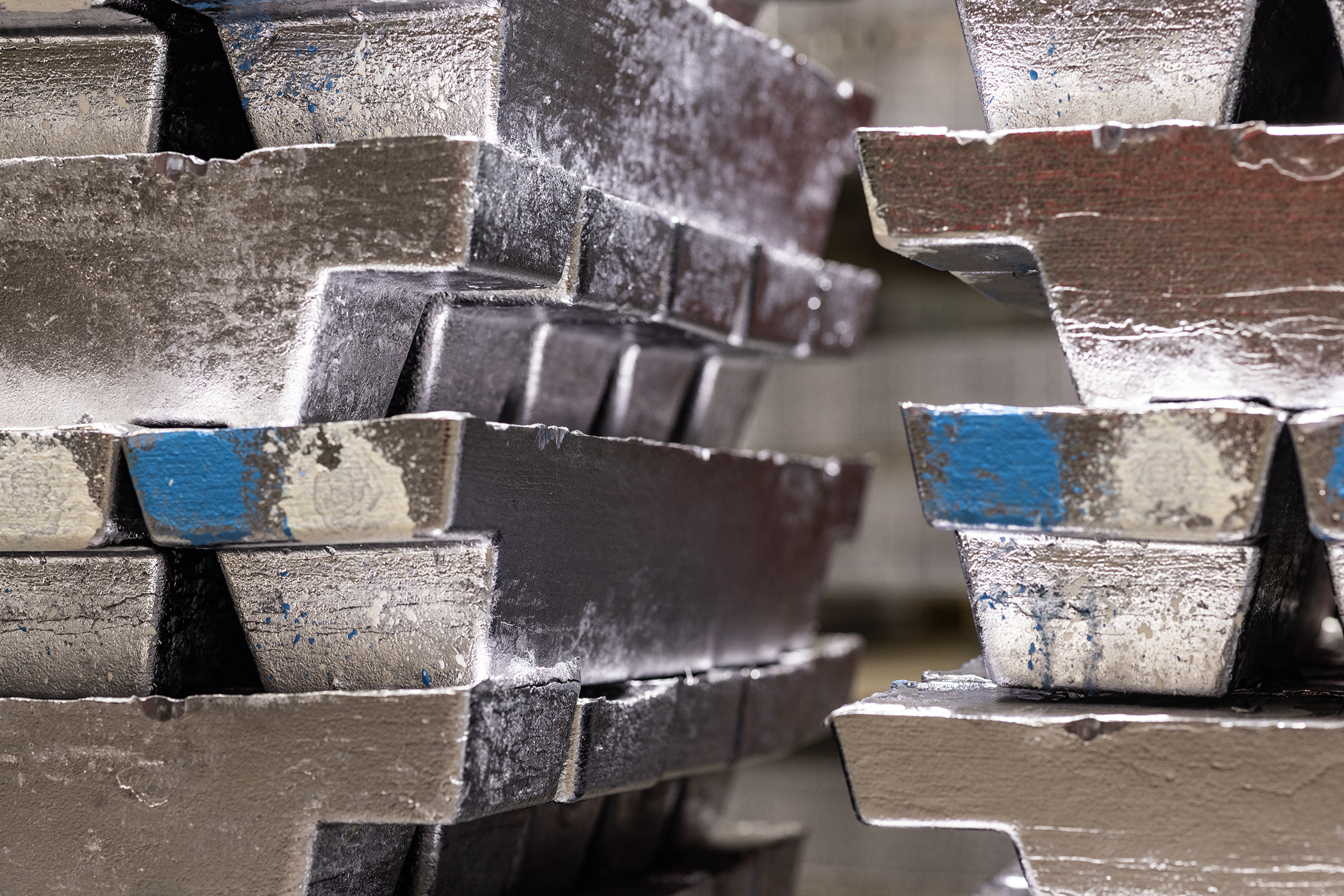
Banner focuses on targeted training in the safe handling of lead. We establish safe working conditions, define safety measures and provide the necessary personal protective equipment. During the training sessions, we explain the effects lead can have on the human body, how to avoid exposure, what hygiene measures must be observed in day-to-day work, and how to use personal protective equipment correctly.
In addition, we provide information on preventive healthcare. We never delegate safety; instead, we ensure it is reliably implemented within the company.
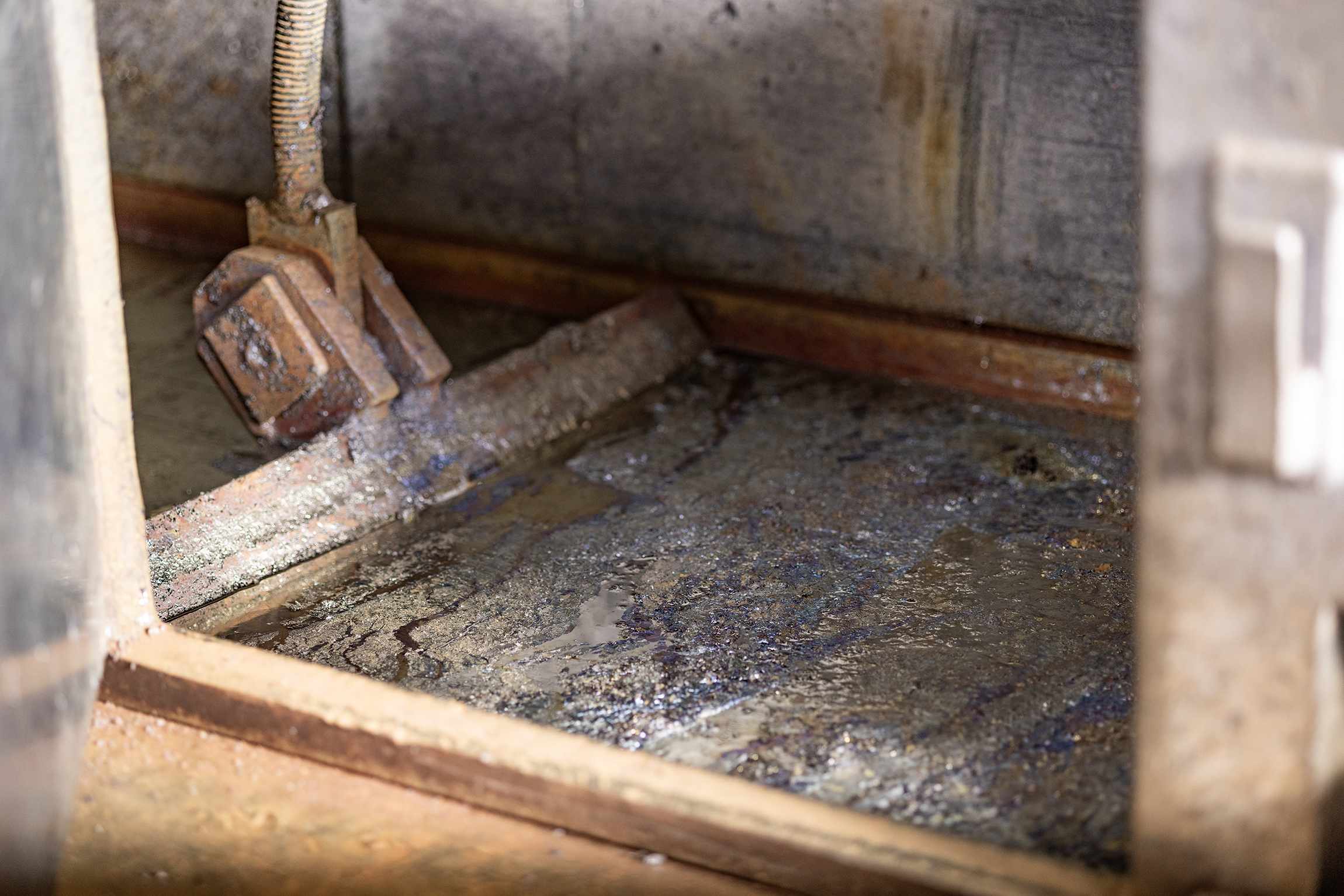
The handling of lead involved in battery production comes with a sense of responsibility. That is why Banner relies on ongoing testing and monitoring, including the measurement of blood lead levels for staff working regularly in production. This is carried out by the company doctor and enables potential health risks to be identified at an early stage and action to be taken in good time. Clear processes, occupational health support and regular reviews ensure that health and safety are firmly and effectively embedded in the organisation.
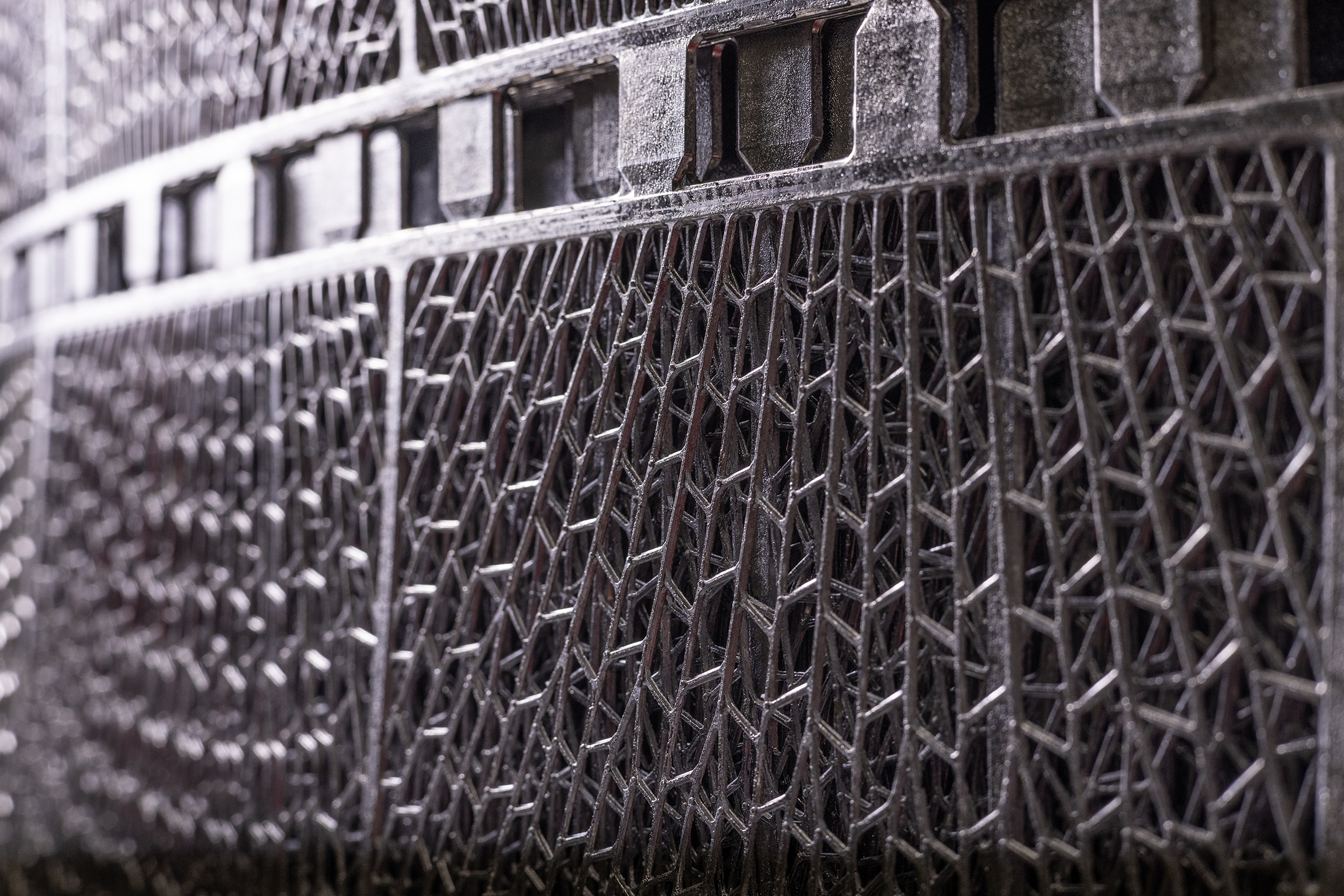
Banner provides personal protective equipment suitable for specific tasks. These include, amongst other things, workwear, work shoes, protective gloves, respirators, ear protectors and safety goggles.
The equipment is tailored to the specific work areas and forms an integral part of the safety measures designed to prevent exposure and ensure health and safety.
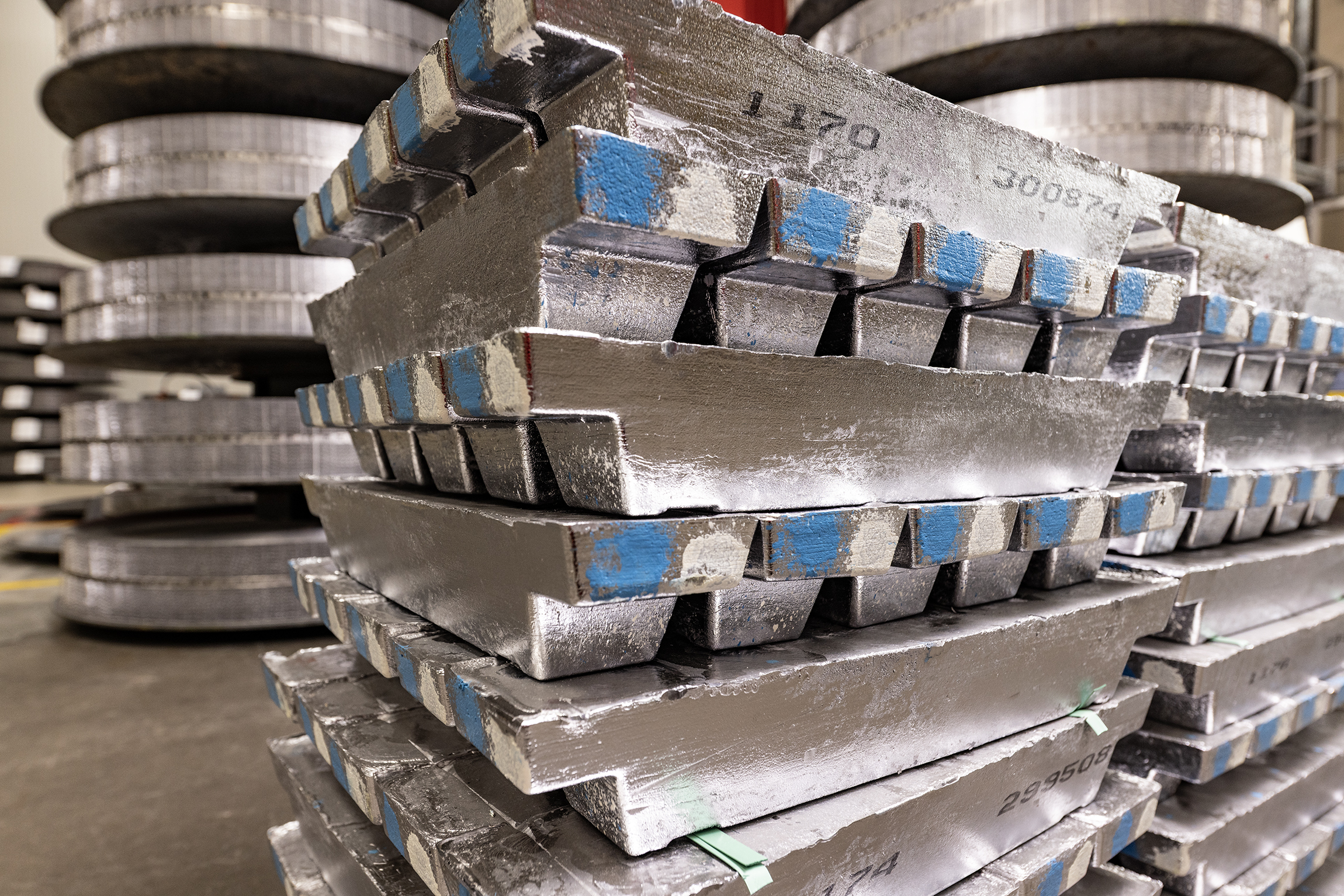
We make targeted use of effective air filtration and extraction systems, as well as enclosed units, to minimise contact with lead. These technical measures are firmly integrated into production processes, regularly reviewed and refined as necessary. This is how we ensure that risks are not only addressed at an organisational level, but are also effectively mitigated through technical measures.
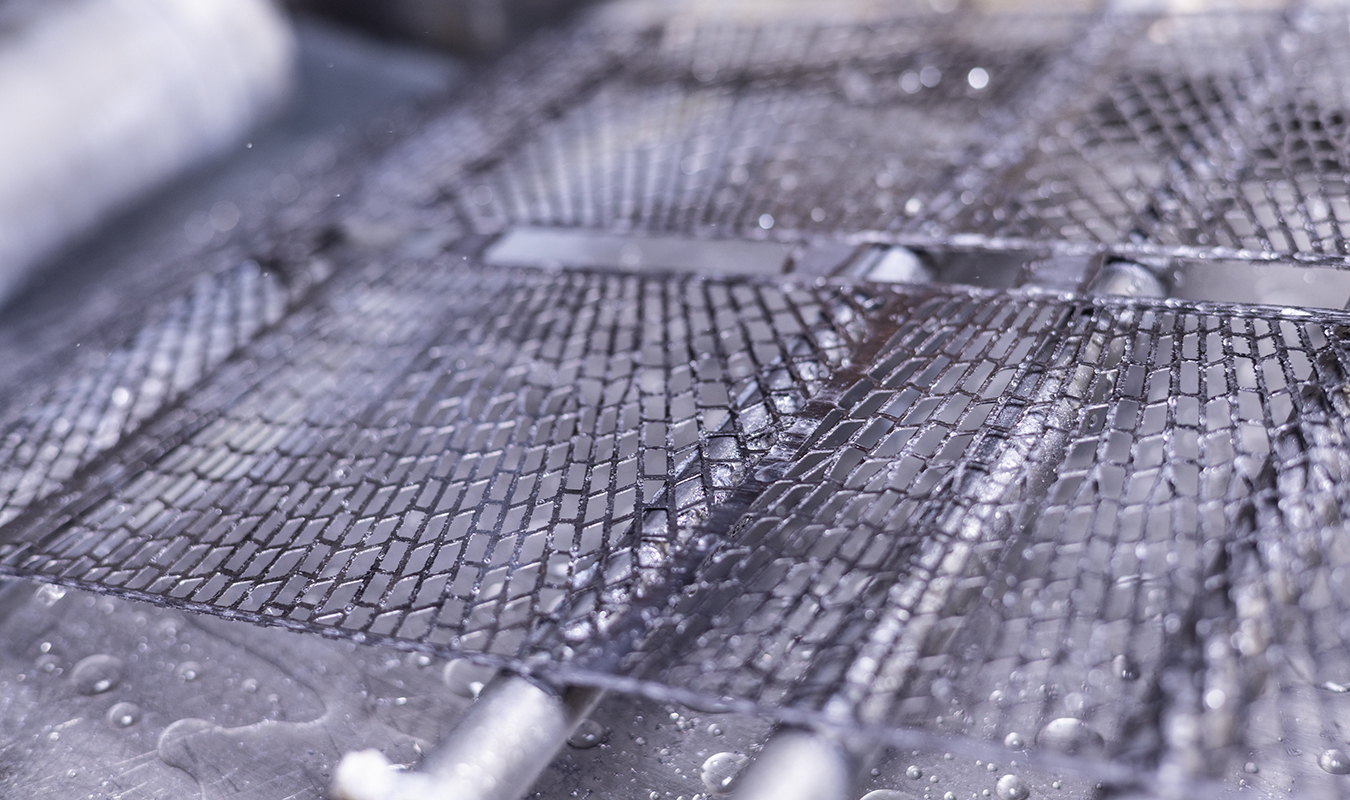
At Banner, we keep a close eye on things. We continuously check that all safety measures are effective, that the working environment remains safe, and that all employees consistently comply with lead hygiene regulations.
With the support of our team of experts, we ensure that workplaces are continuously assessed, adapted and kept up to date.
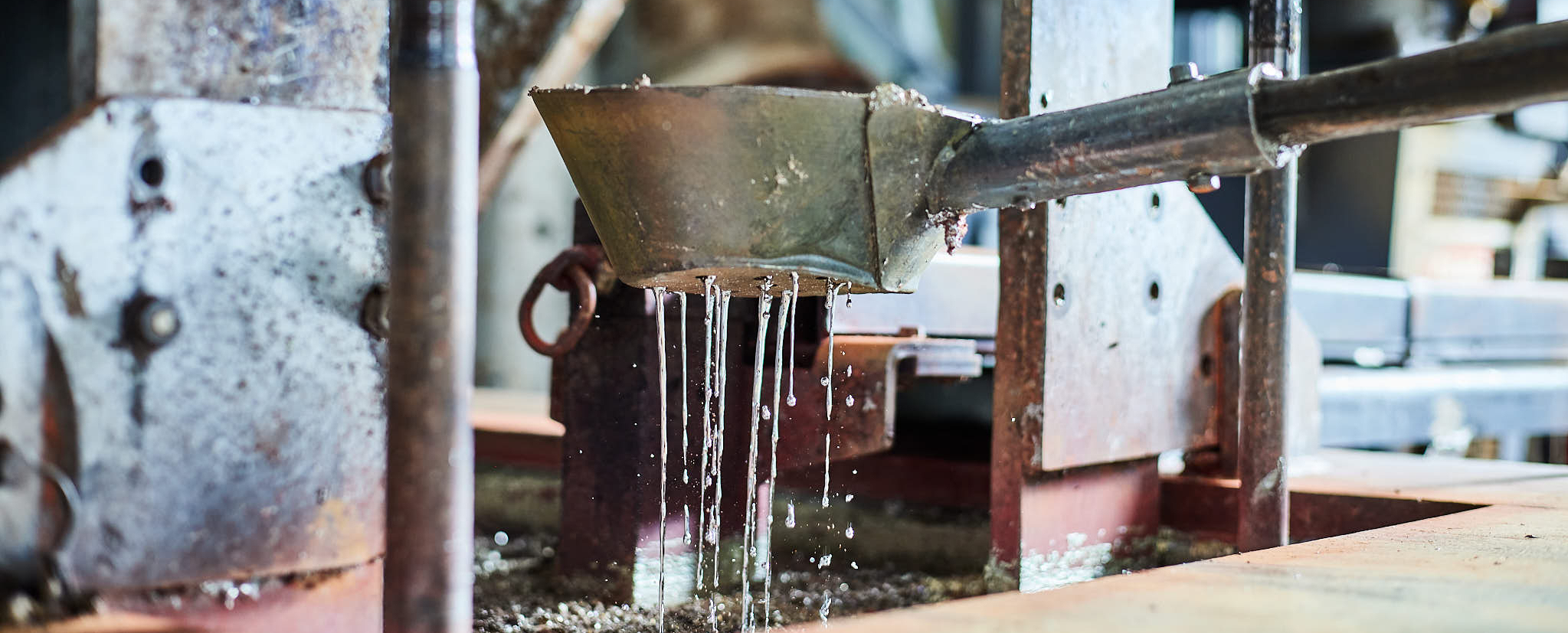
As an employer, we have a responsibility for the health of our employees. Working with lead, in particular, requires special care. That is why compliance with lead safety protocols and clearly defined procedures in lead-handling areas are a top priority at Banner.
These are handled with particular care, checked regularly and closely monitored. Our department heads ensure that all standards are consistently adhered to.
Why do we use lead?
Why do we use lead?
We manufacture lead-acid batteries at our Linz-Leonding site. These are mainly used in starter and on-board electrical system batteries for cars and commercial vehicles. They deliver reliable performance and have proven their worth over decades. We need lead as a raw material for production. The material has two clear advantages: cost-effectiveness and recyclability.
In production, lead takes various forms depending on the stage of processing: solid, liquid, vapour or dust. The versatility of this raw material calls for a clear strategy.
What is lead hygiene?
What is lead hygiene?
The principle of lead hygiene is as follows: lead must be handled safely, its dust and particles must remain within the work area, and any absorption into the body must be prevented. This requires targeted protective measures, ranging from technical and organisational measures to personal ones. Lead dust can settle unnoticed on your hands, clothes or hair. Consequently, low-dust handling during production and maintaining a clean workplace are of the utmost importance.
In addition to these aspects, lead hygiene also includes the correct wearing and changing of prescribed PPE (e.g. face masks, gloves, etc.), regular and thorough hand washing, handing in work clothing to the in-house laundry at the end of the working day and showering after the end of the shift. Further measures to ensure optimal lead hygiene are covered in specific internal training sessions.
Because we know that clear procedures ensure that lead remains only in designated areas and is handled safely.
How does lead enter the body?
How does lead enter the body?
Depending on the stage of production, lead can be found in solid, liquid, dust or vapour form. Lead is mainly absorbed through the lungs by inhaling vapours, dust or aerosols. Once ingested, lead binds to red blood cells and is carried throughout the body via the bloodstream.
Oral exposure occurs mainly via contaminated hands – consequently, absorption via the gastrointestinal tract may be significantly increased in this case. Most of the lead absorbed is excreted from the body relatively quickly via the urine.
However, a smaller proportion is stored in the body. This “immobile” lead can remain in the body for a very long time; alternatively, a delayed release may occur, for example following an infection, leading to a rise in blood lead levels.
Blood and urine tests are carried out regularly to monitor an individual’s status. These medical checks, which are mandatory for our employees who work with lead, take place directly at our Leonding site.
Banner feels it is important to emphasise that, provided hygiene and safety regulations are strictly adhered to, there is no risk to health.
Are there legal limits for lead?
Are there legal limits for lead?
We use the BAT value (biological agent tolerance value) to measure the level of lead in the blood. The unit of measurement is the microgram – one millionth of a gram. The current BAT limit is 30 µg Pb/dl of blood. We implement internal measures to reduce exposure from as low as 25 µg Pb/dl. If this limit is adhered to, no adverse health effects are generally expected, even with prolonged exposure. Monitoring – particularly of blood – is carried out through medical examinations conducted by our in-house company doctor. High levels of lead exposure almost invariably occur when protective measures are not consistently followed.
Provided that hygiene and safety regulations are observed, no increased exposure is expected.
How can I look after my body?
How can I look after my body?
A balanced diet – ideally rich in fruit and whole grains – along with staying well-hydrated and getting enough rest form the basis for good health. In addition, regular exercise, such as sport or walks in the fresh air, helps to keep the cardiovascular system healthy. Getting enough sleep is just as important.
Asked openly – answered honestly.
We know that anyone who works with lead has a responsibility. That’s why we’re open about how we handle this at Banner. With clear rules, the highest safety standards and a consistent focus on protecting our employees.
Working healthy.
Working better.
Banner quality is no accident.
It is also the result of healthy and satisfied employees.